With cybercrime on the rise, it’s more important than ever to be proactive about online safety. The Cyber Essentials Certification is a good place to start, as it covers the basics of cyber security and helps you and your business stay safe online.
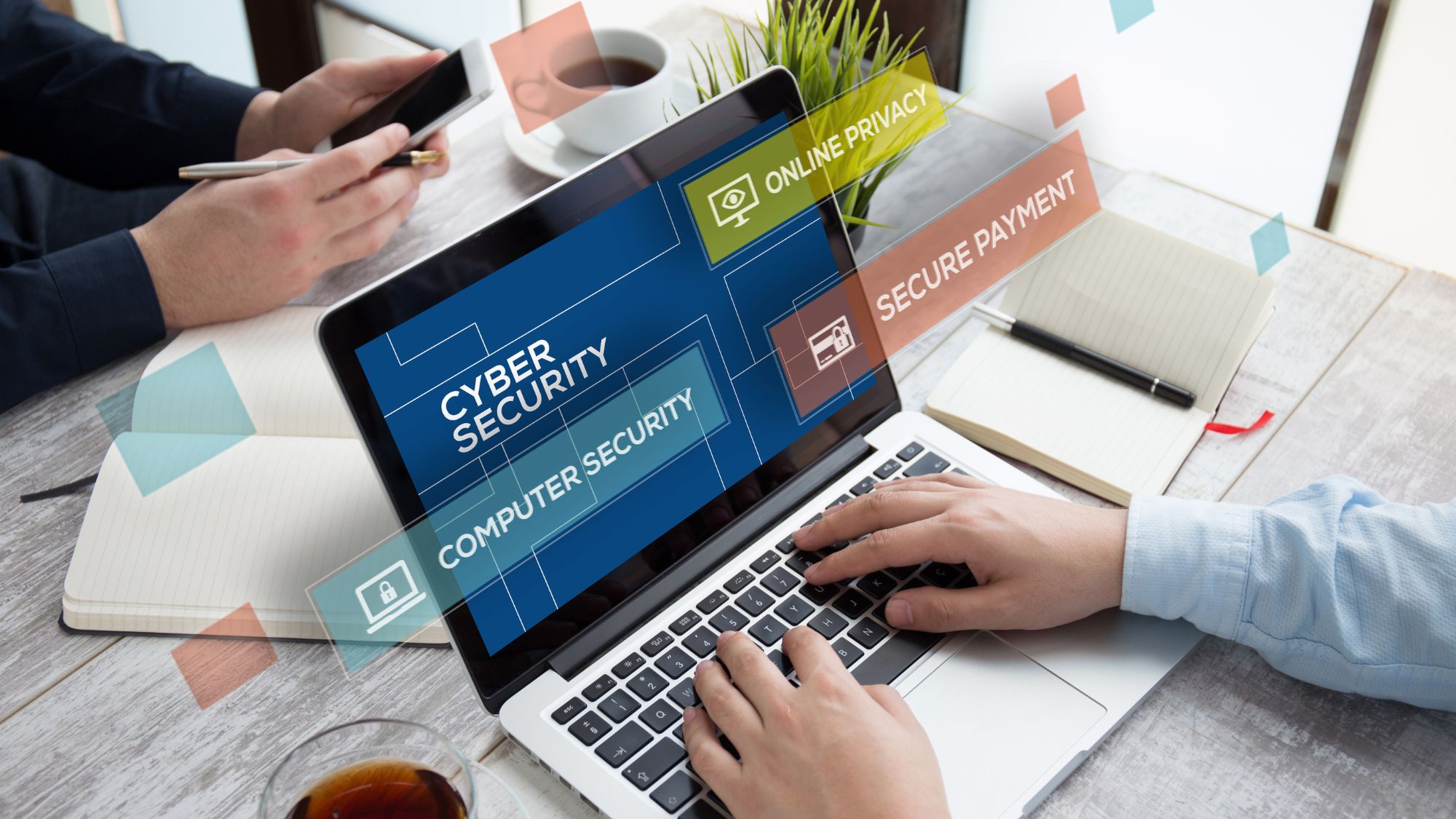
Cyber Essentials is a UK government-backed scheme that provides organisations with a framework to help protect themselves against cyber-attacks. The scheme managed by the National Cyber Security Centre (NCSC), is free to use, and is aimed at organisations of all sizes.
It covers five core areas:
There are two levels of certification:
The self-assessment option provides protection against a wide variety of the most common cyber attacks. This is important because vulnerability to basic attacks can mark you out as target for more in-depth unwanted attention from cyber criminals and others. Certification gives you peace of mind that your defences will protect against the vast majority of common cyber attacks simply because these attacks are looking for targets which do not have the Cyber Essentials technical controls in place.
Cyber Essentials shows you how to address those basics and prevent the most common attacks.
Cyber Essentials Plus still has the Cyber Essentials trademark simplicity of approach, and the protections you need to put in place are the same, but for Cyber Essentials Plus a hands-on audit and technical verification is carried out.
Alternatively you can familiarise yourself with cyber security terminology, gaining enough knowledge to begin securing your IT.

There are many benefits to implementing Cyber Essentials, including:
By upgrading to Cyber Essentials Plus, you can be sure that your systems are protected against the most common as well as more malicious cyber threats, including attacks from hackers, viruses, and malware. You’ll also be able to demonstrate to customers, suppliers, and partners that your business takes cyber security seriously.
To get Cyber Essentials, organisations must complete a self-assessment questionnaire and submit it to an accredited certification body. The certification body will then review the questionnaire and provide feedback to the organisation. If the organisation meets the Cyber Essentials requirements, the certificate will be issued.
Staying safe online can be surprisingly simple, and even just completing a few quick steps can immediately help in guarding you and your business against online threats. However, for true peace of mind, it’s best to take further action with a trusted IT partner to ensure you are truly safe in an ever-changing online world.
You wouldn’t hand purely personal information out to strangers individually—don’t hand it out to millions of people online.
Marketers love to know all about you, and so do hackers. Both can learn a lot from your browsing and social media usage. Web browsers and mobile operating systems have settings available to protect your privacy online, as do the larger social media platforms. These settings are sometimes (deliberately) hard to find because companies want your personal information for its marketing value. Make sure you have enabled these privacy safeguards, and keep them enabled.
Cybercriminals often use lurid or intriguing content as bait. They know people might let their guard down when searching for it. One careless click could expose personal data or infect your device with malware, so by resisting the urge, you don’t even give the hackers a chance.
Cybercriminals aim to trick you into downloading malware—programs or apps that carry malware or try to steal information. This malware can be disguised as an app: anything from a popular game to something that checks traffic or the weather. Don’t download apps that look suspicious or come from a site you don’t trust.
Select strong passwords that are harder for cybercriminals to demystify. Password manager software can help you to manage multiple passwords so that you don’t forget them. A strong password is one that is unique and complex—at least 15 characters long, mixing letters, numbers and special characters.
Internet security software cannot protect against every threat, but it will detect and remove most malware—though you should make sure it’s to date. Be sure to stay current with your operating system’s updates and updates to applications you use as they provide a vital layer of security.
By following these tips and getting Cyber Essentials certified, you can help protect yourself online. CHS Networks is here to guide and support you in this process, and our team of cyber security experts are available to answer any questions you might have along the way.
Stay safe and be vigilant!